
The Hidden Cost of a Roll-Up: Why Claim Classification Can Decide Chapter 11 Plan Confirmation

In Chapter 11, classification is sometimes treated as a technical exercise that comes late in the plan process. But how claims are classified determines who votes, whose acceptance counts, whether a debtor can satisfy the requirements for confirmation and how much leverage a creditor has in negotiating a plan. Judge Christopher M. Lopez’s recent First…
Read MoreStrategic Playbooks for Business Restructuring
What shifts when a company moves from stabilization to building a reorganization plan? Once a company stabilizes, it focuses on building a reorganization plan by negotiating with creditors. This involves offering terms for repayment, which might include partial payments, extended timelines, or equity. The goal is to gain enough creditor support to exit bankruptcy successfully,…
Read MoreUnderstand What Chapter 11 Bankruptcy Does for Businesses
What does Chapter 11 change about handling litigation exposure in bankruptcy? One of the main changes Chapter 11 introduces is the automatic stay, which halts most litigation and consolidates it within the bankruptcy court. This pause offers companies a “breathing spell” to reorganize while shifting control from plaintiffs to the debtor. The process moves litigation…
Read MoreStrategic Use of Chapter 11 in Litigation
What changes immediately after a company files for Chapter 11 during significant litigation? When a company files for Chapter 11, an automatic stay is enacted, functioning as a statutory injunction to halt ongoing litigation and collection efforts against the company. This provides a breathing spell where litigation is paused, and the case is taken to…
Read MoreEarly Warning Signs of Litigation Threatening Enterprise Value
What are the early signs that litigation is starting to threaten enterprise value? Early warning signs of litigation threatening enterprise value include when the litigation starts to exceed what insurance can cover or is not covered by insurance at all. Companies often anticipate some litigation and handle it through insurance. However, when the litigation penetrates…
Read MoreDefending Preference Actions in Bankruptcy: What Creditors Need to Know

Preference actions are one of the most common tools trustees use to recover money in bankruptcy cases, and one of the most frustrating experiences for trade creditors, landlords, service providers, and other businesses that did nothing wrong. Payments that were routine at the time they were made can suddenly be labeled “avoidable,” forcing creditors to…
Read MoreAuthority Given to Committee to Sue the Sacklers: Purdue Opinion Reaffirms the Use of Derivative Standing by Creditor Committees
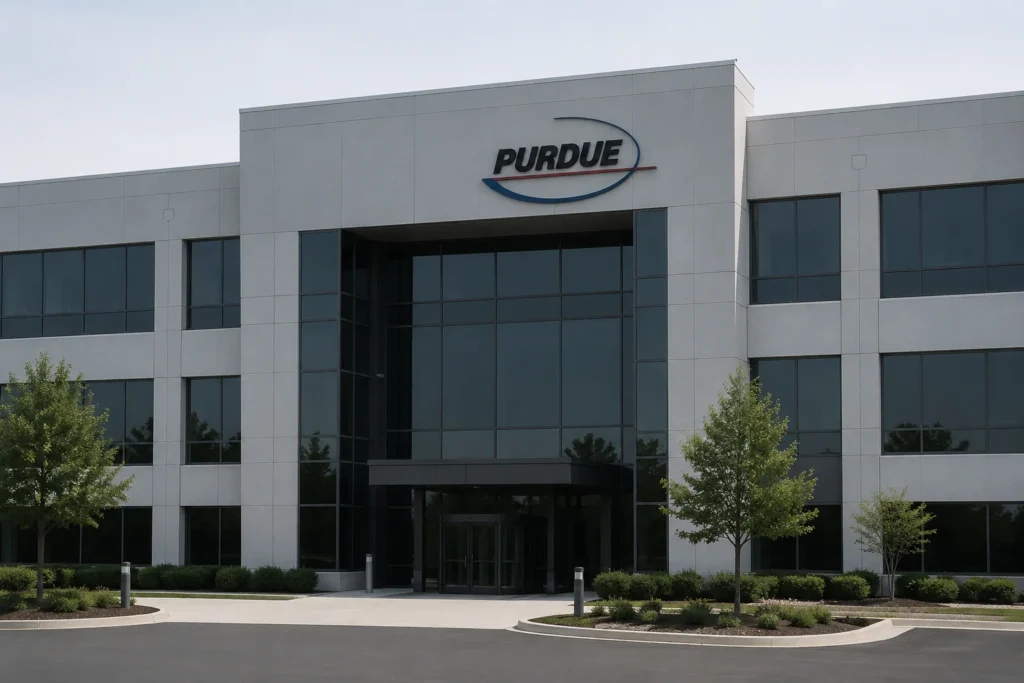
A decision in the Purdue Pharma1 bankruptcy reinforces a cornerstone of bankruptcy jurisprudence: the longstanding authority of bankruptcy courts to grant derivative standing to official committees of unsecured creditors. Faced with a motion from the Purdue unsecured creditors’ committee requesting to commence and prosecute estate claims against the Sackler family, New York Bankruptcy Judge Sean…
Read MoreThe Fall of the Gatekeeper Provision: Fifth Circuit Determines No Broader Than Exculpation

In its March 2025 decision in Highland Capital Management, the Fifth Circuit has drawn a bright line: gatekeeper provisions in Chapter 11 plans must be coextensive with the exculpated parties. In other words, these provisions may only shield the same parties the bankruptcy court is authorized to exculpate — namely, the Debtor, court-appointed independent directors,…
Read MoreWhen Does Equitable Mootness Fall Short?

Lessons from In re ConvergeOne Holdings, Inc. The Southern District of Texas recently tackled the complex doctrine of equitable mootness in the bankruptcy appeal of In re ConvergeOne Holdings, Inc.. At the heart of the case was whether the appeal of excluded creditors should be dismissed because of the substantial progress of ConvergeOne’s Chapter 11 reorganization…
Read MoreNavigating Franchise Agreements in Bankruptcy: The Pinnacle Foods Ruling

The recent In re Pinnacle Foods of California, LLC case exposes a significant challenge for franchisees seeking Chapter 11 reorganization in the Ninth Circuit. At issue is the circuit split on the assumption of executory contracts, where Pinnacle Foods attempted to assume its franchise agreements with Popeyes. Under the Ninth Circuit’s stringent “hypothetical test,” the court…
Read More